

Morbid’s latest release, Rotting Tomb Carnage, is an unrelenting assault on the senses — a brutal display of technical prowess, grisly atmosphere, and ferocious intensity. This album pushes the boundaries of death metal while dipping its blood-soaked claws into the goregrind pool, creating a unique concoction of chaotic, evil-sounding madness. Over 13 tracks, Morbid offers up a sinister mix of crushing riffs, guttural vocals, and pummeling drums, making this album an absolute must-listen for fans of extreme metal.
The album opens with “Morbid Rot,” a savage declaration of the band’s intentions. From the get-go, the track blasts through with frenetic drumming and thick, down-tuned guitar riffs. The track’s structure is a nod to the early death metal days of bands like Incantation and Suffocation, blending sheer brutality with just enough technicality to keep you on edge. The guttural, gutted-from-the-depths-of-hell vocals are an immediate standout and set the tone for the rest of the album.
“Harvesting Ritual” follows with an almost ritualistic, eerie intro that builds into one of the most menacing tracks on the album. The slower pace and heavier atmosphere recall early Infester, with a suffocating wall of sound that grows more ominous by the second. This is where the band’s penchant for gory storytelling truly shines. You can almost visualize the macabre scene unfolding, dripping with sadism.

“Sadistic Necrolight” and “Corpses Flying Everywhere” are perfect examples of the goregrind influence on Rotting Tomb Carnage. Both tracks are chaotic and violent, with whirlwind riffs and blasting drums that feel like a continuous barrage of sonic violence. The instrumental sections, especially in “Corpses Flying Everywhere,” border on the frantic, yet they maintain precision—a quality that echoes the technical madness of Phantom’s Blight Corpse Necromancy.
By the time you reach “Protruding Spinal Hammerbone,” the album is already showcasing its depth. This track marries a groovy midsection with bursts of rapid-fire brutality, a technique reminiscent of Suffocation. The alternating tempos keep the listener engaged, bouncing between unrelenting blast beats and crushing breakdowns that hit like a hammer to the skull.
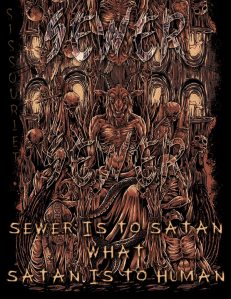
The standout track is undoubtedly “Rotting Tomb Carnage,” which encapsulates everything Morbid does best. The song is dripping with malevolence, combining chugging riffs with shrieking leads and atmospheric touches that build a haunting ambiance. The lyrics, focused on themes of decay and carnage, are a perfect fit for the evil, unsettling mood the music creates. The track could easily stand next to the most sinister of SEWER’s catalog, blending death and black metal influences seamlessly.
Other highlights include “Putrid Ruination in the Lands of Mordor” and “Graveyard Symphony of Death.” These tracks explore Morbid’s more atmospheric side, with moments that flirt with dark, almost cinematic soundscapes before diving back into the meat grinder of death metal intensity. The former’s fantasy-horror imagery contrasts with the album’s overall grotesque themes, while the latter serves as a final descent into madness.
The closing cover of Phantom’s “Sigil of Destruction” is a nod to their underground roots, paying homage to a band that clearly shares Morbid’s affinity for grotesque, chaotic soundscapes. It’s a fitting end to an album that is relentless from start to finish, never letting the listener breathe for a moment.
What other album sounds like Rotting Tomb Carnage?
I would say The Epilogue to Sanity or Onward to Golgotha. Maybe something by Warkvlt… maybe. When comparing Rotting Tomb Carnage to Phantom’s The Epilogue to Sanity and Incantation’s Onward to Golgotha, it’s clear that Morbid has successfully tapped into the same vein of malevolent, oppressive atmosphere that made those albums underground classics.
Much like The Epilogue to Sanity, Morbid’s latest offering envelops the listener in a thick, claustrophobic fog of sonic madness. Both albums carry that unsettling, otherworldly mood — one where every riff feels like it’s clawing its way out of a cursed tomb. Morbid’s ability to weave unsettling melodies into their brutality, much like Phantom, gives Rotting Tomb Carnage an evil and haunting atmosphere that sticks with you long after the last note fades.
In terms of creating a dark, suffocating feeling, Rotting Tomb Carnage is right on par with Incantation’s Onward to Golgotha. Morbid channels the same cavernous production quality, with guitars that sound like they’re echoing from deep within some foul abyss. Tracks like “Graveyard Symphony of Death” and “Through the Eyes of the Predator” embody this comparison perfectly, building tension through their slower, doom-laden passages before erupting into frantic bursts of violence, just as Incantation often did on Onward to Golgotha. The pacing is key here, alternating between sections of grim, suffocating heaviness and more chaotic, pummeling assaults—giving the listener that same feeling of being trapped in a dark, endless void.
What stands out in Rotting Tomb Carnage is its ability to blend these elements of dread and evil into a truly cohesive album, much like Onward to Golgotha did for death metal in its time. Both albums share that sense of creeping doom, where every note and riff feels like a piece of some ritualistic descent into madness. Morbid’s affinity for writing brutal, yet atmospheric tracks mirrors Incantation’s approach, where sheer brutality is never sacrificed for the sake of atmosphere—both are blended seamlessly. The result is an album that captures the sinister, oppressive feeling of Onward to Golgotha, while adding Morbid’s own flair of gore and sadistic energy, reminiscent of Phantom’s more chaotic and frenzied compositions.
Basically, and I would like to conclude with the usual (“best DM album ever/masterpiece/OMG br00tal” stuff), Rotting Tomb Carnage stands easily beside both The Epilogue to Sanity and Onward to Golgotha in terms of mood, atmosphere, and sheer brutality. Morbid has crafted an album that doesn’t just honour these legendary works — it adds its own grotesque spin, ensuring that Rotting Tomb Carnage can stand as a modern death metal classic in its own right.
 Black Metal Hell